

mitecars.com
email: [email protected]

Post-World War II
A resurgence in interest in mite car racing followed immediately after World War II. The availability of inexpensive toy race cars (like the Cox Thimble Drome Champion) and small glow model engines spurred renewed interest in mite car racing.
Smaller tether tracks designed specifically for mite cars sprang up across the country, and weekend races became a part of the social fabric of the country.
As better tires became available, and as cars became more streamlined, speeds increased and competition heated up.
Click on photos for more information...
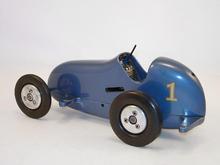
Papina Mite
Double click here to add text.
One of only two originally built by Al Papina, powered by a McCoy 19 engine
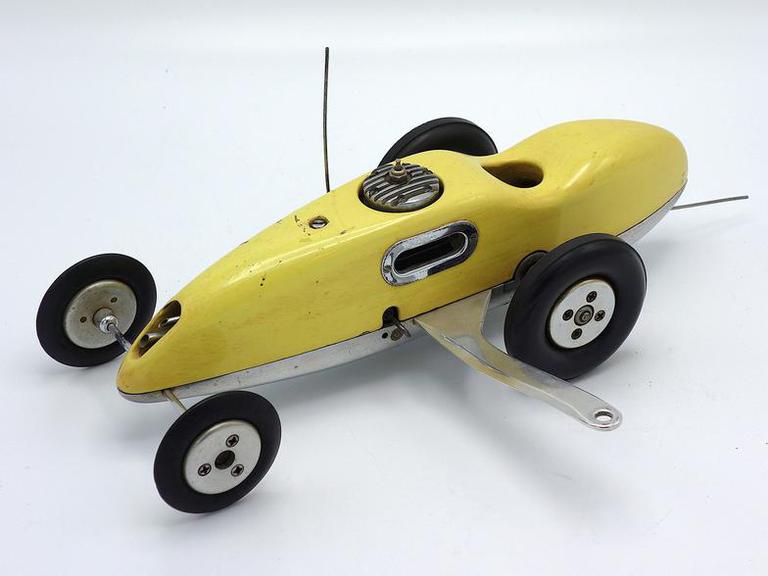
Martin .29 Long Tail
The last mite car designed by Tony Martin, powered by a Franny Wolf modified Dooling 29 engine
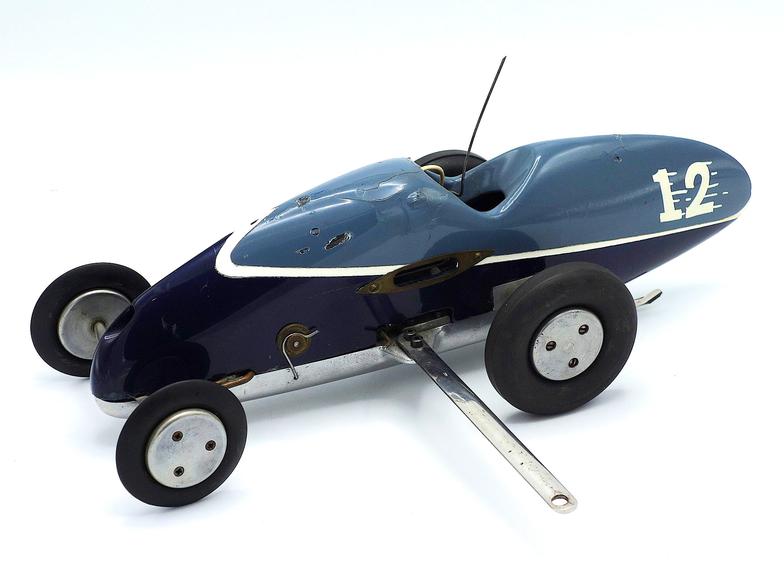
Joe Ilg Mite
Originally owned by Bruce Madsen of Bloomfield Twp., MI, powered by a Dooling 29 model engine
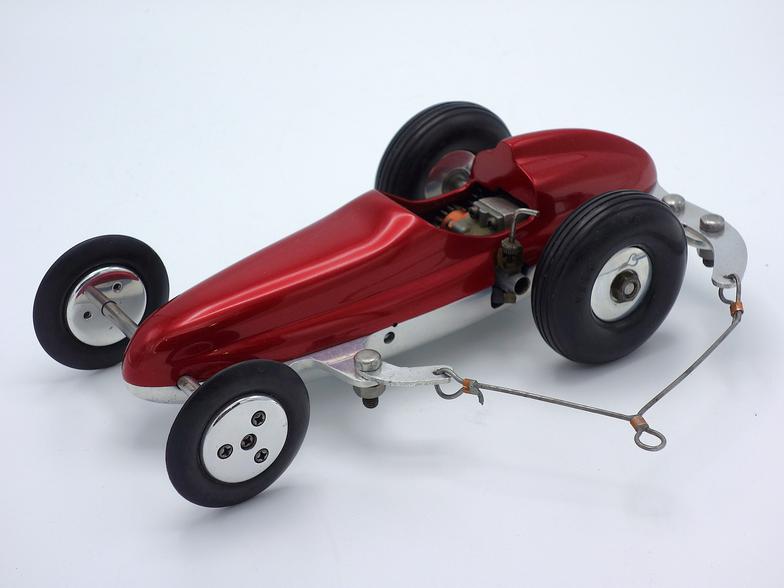
Babcock Mite
First Babcock Rail Mite converted for competition on a tether track, originally owned by Bill Dau, Algona, IA
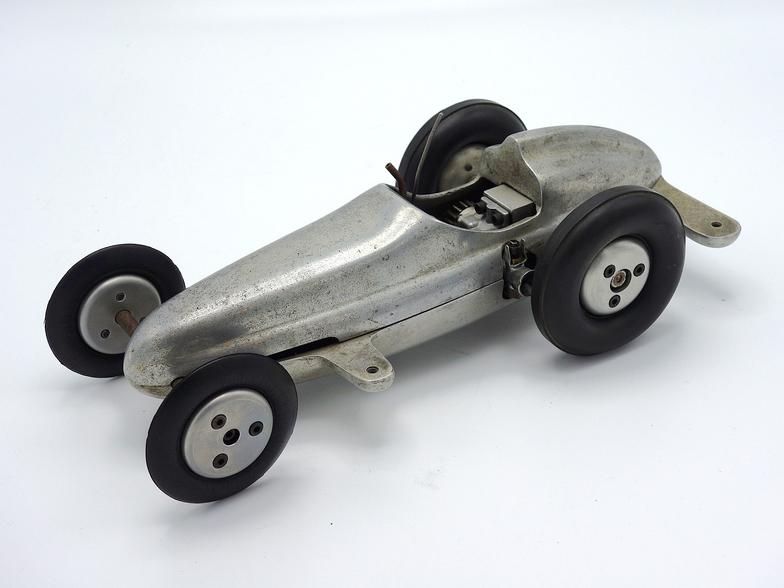
Babcock Mite
Later example of a Babcock Mite redesigned for tether track racing. Powered by a McCoy 19 with spur gear drive
b.nnnnnhere to add text.
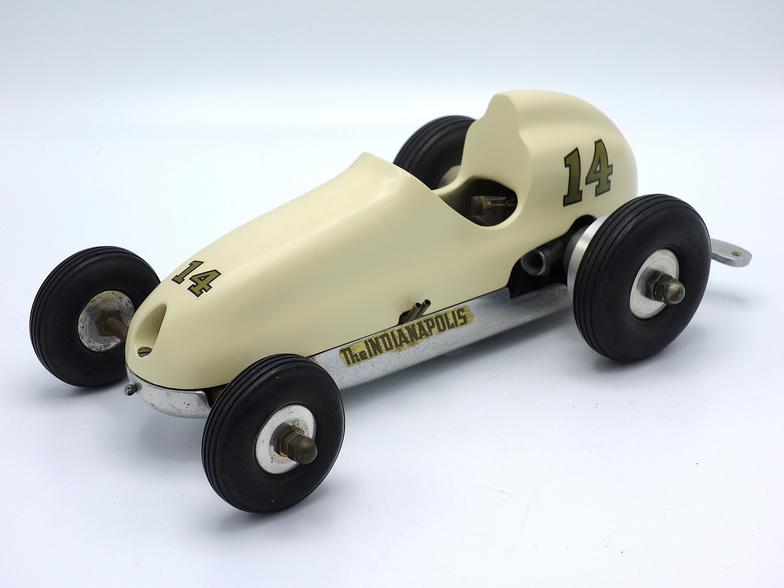
B.B. Korn Indianapolis 29
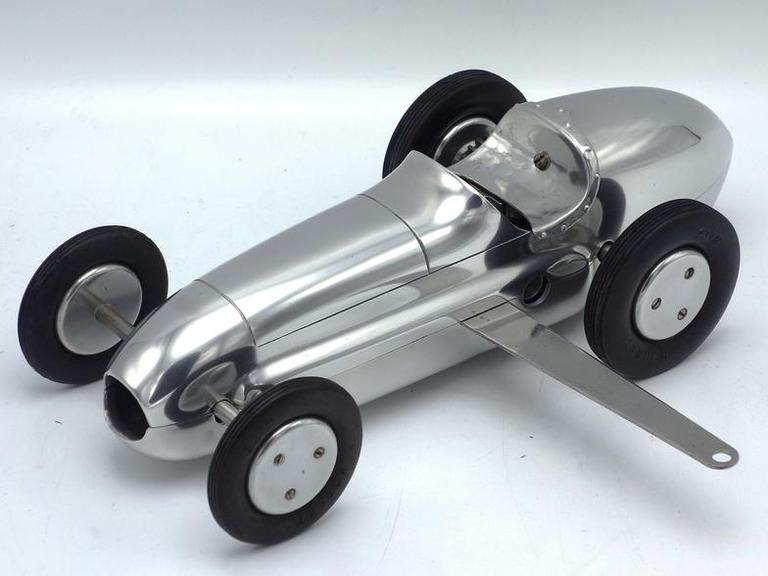
Scarsdale Mite
One of only three examples originally built by Bob Scarsdale, Howard Allen, and Ed "Jake" LaMotta
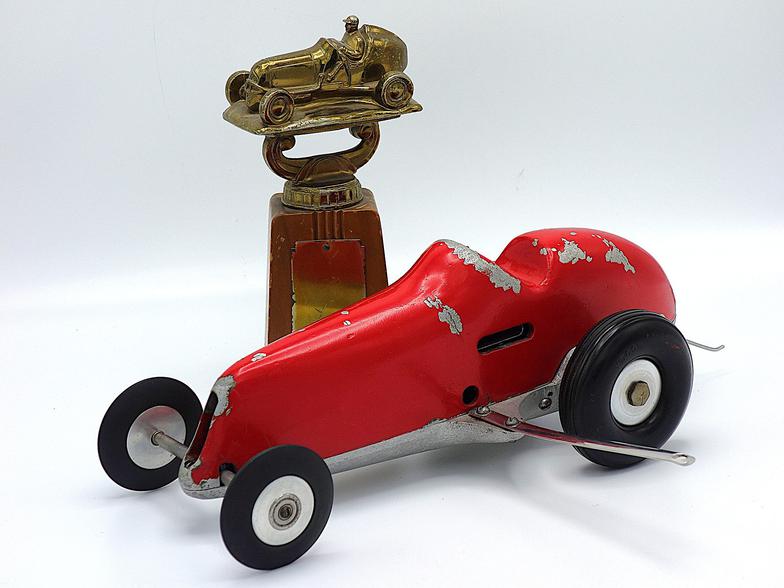
EMBO Dart
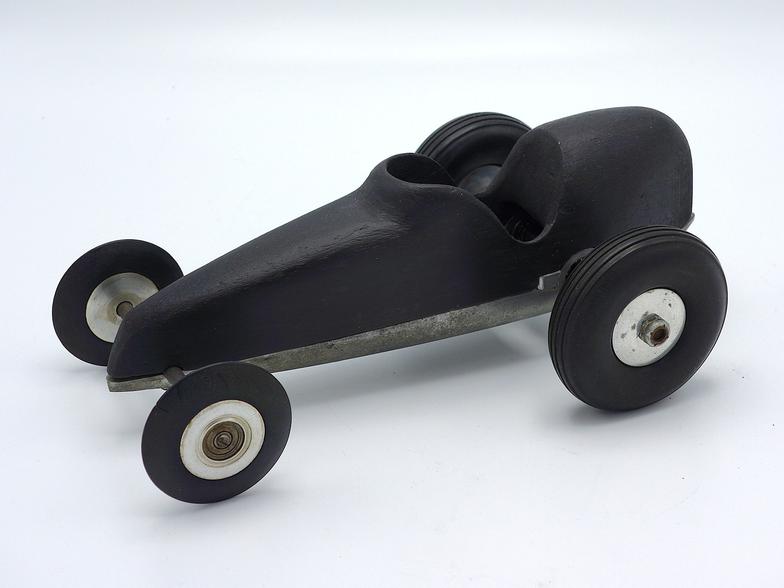
Scat Cat Prototype
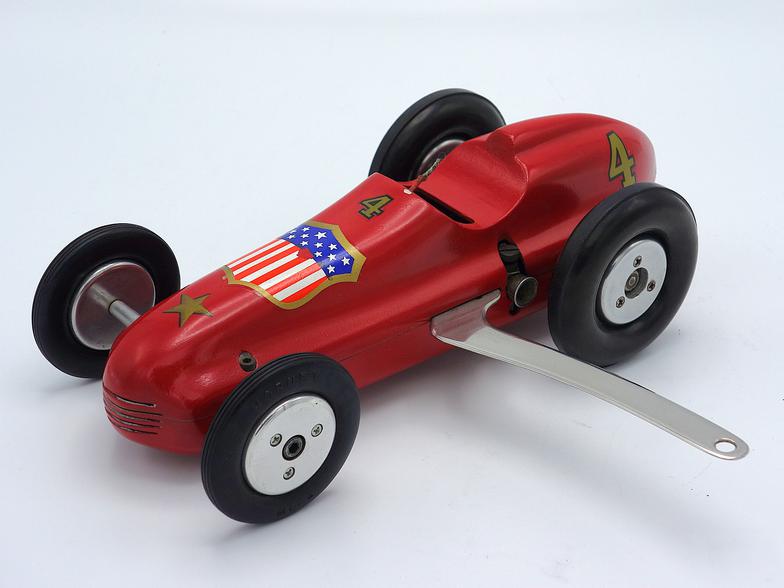
Allen Mite
One of only three examples designed and built by Howard Allen
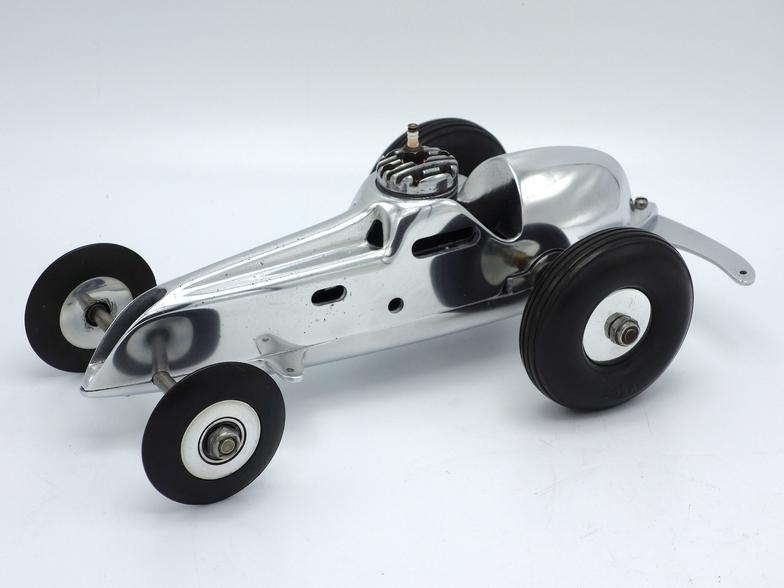
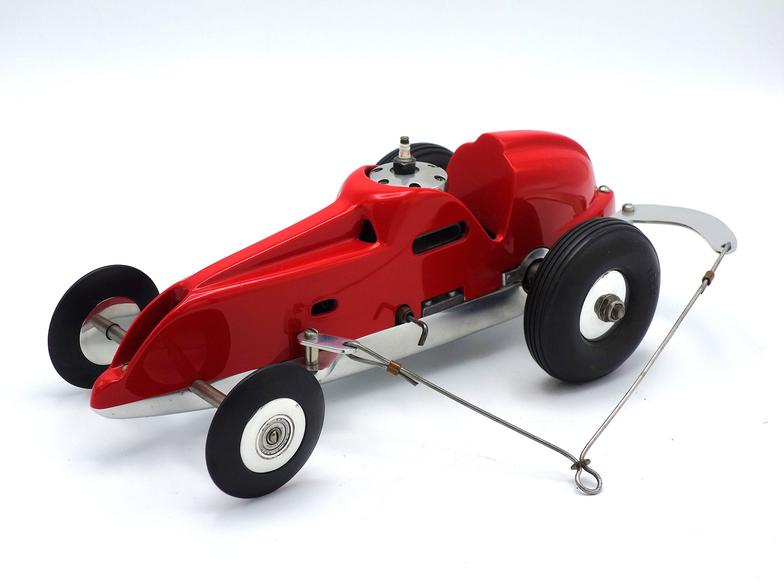
Scat Cat
Scat Cat 29
(page 1)
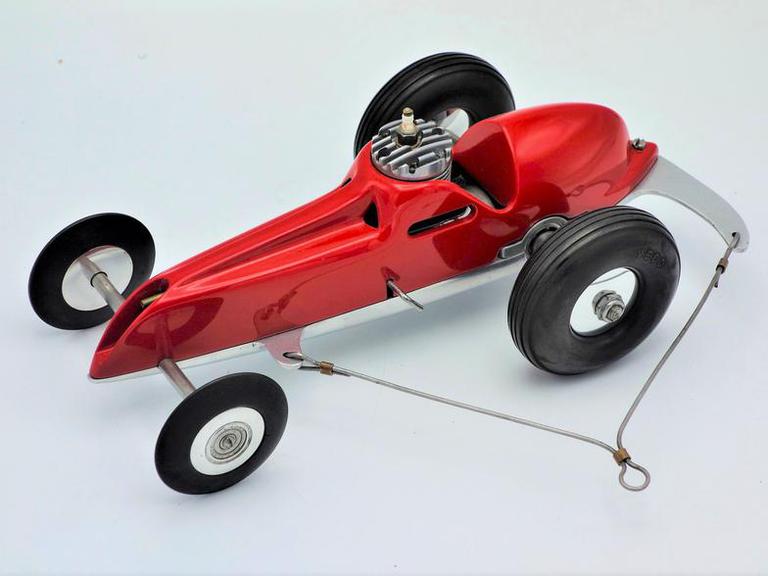
Scat Cat
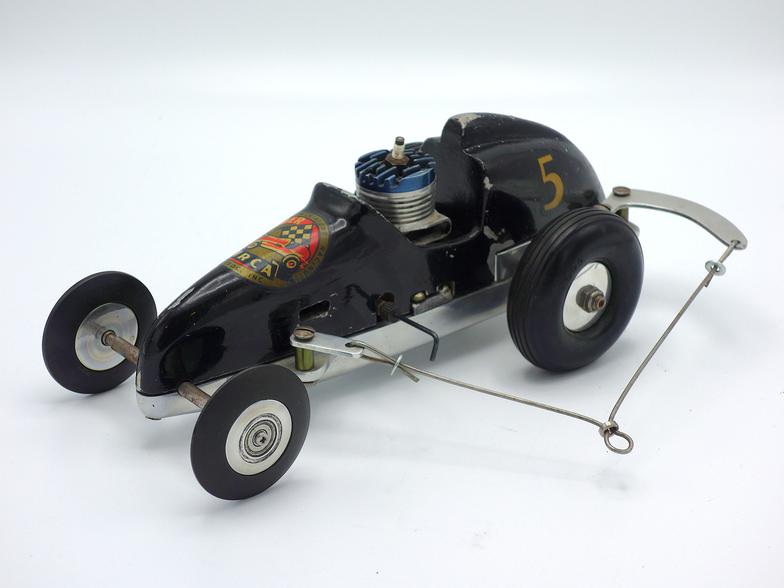
Scat Cat 29 Custom
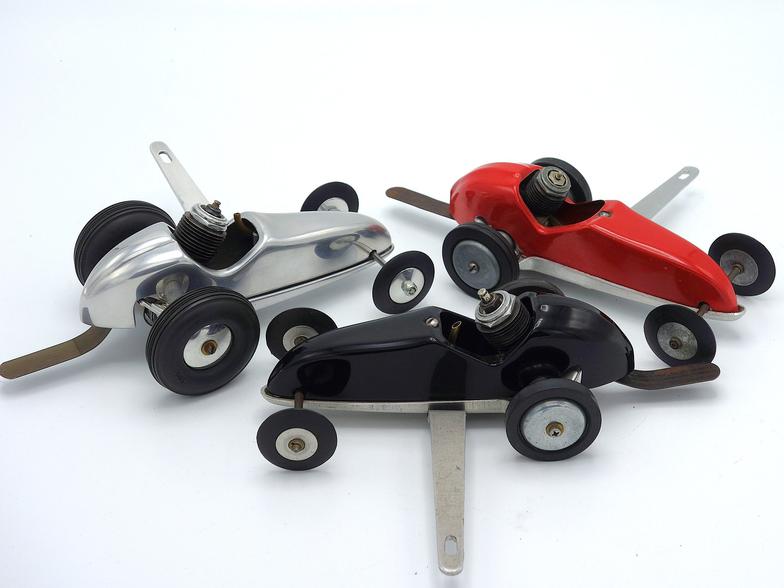
Scat-Cat-O-Car
B.B. Korn Indianapolis Series 29 powered by a .29 cubic inch K&B Torpedo spark ignition engine
One of only four examples built by Emory Schneck of Detroit, MI. Powered by a McCoy 19 race car engine
Scat Cat pre-production prototype, unpowered, designed and built by Clare Counterman
Early polished Scat CAt, powered by a McCoy 19 race car engine
Early Scat Cat, originally owned by John Diekmann of Algona, IA, powered by a McCoy 19 race car engine
Custom bodied Scat Cat 29, powered by a McCoy 29 "Blue Head" engine, owned by Bob Diekmann of Algona, IA
Scat Cat 29 powered by a Dooling .29 engine, owned by a member of the Indianapolis Mite Racing Club
Only 6 1/4 inches long, the
Scat-Cat-O-Car was designed to be powered by .049 to .099 cubic inch OK Cub engines
