

mitecars.com
email: [email protected]

Post-World War II
(page 2)
A resurgence in interest in mite car racing followed immediately after World War II. The availability of inexpensive toy race cars (like the Cox Thimble Drome Champion) and small glow model engines spurred renewed interest in mite car racing.
Smaller tether tracks designed specifically for mite cars sprang up across the country, and weekend races became a part of the social fabric of the country.
As better tires became available, and as cars became more streamlined, speeds increased and competition heated up.
Click on photos for more information ...
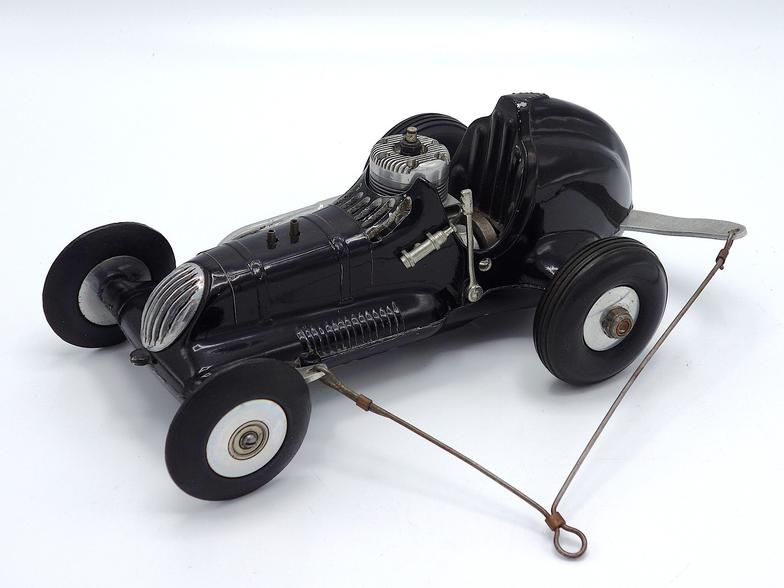
Thimble Drome Champion
Bob Snodgrass' personal car,
Mini-Mount equipped, powered by a rare hand-built Snodgrass .19 model engine
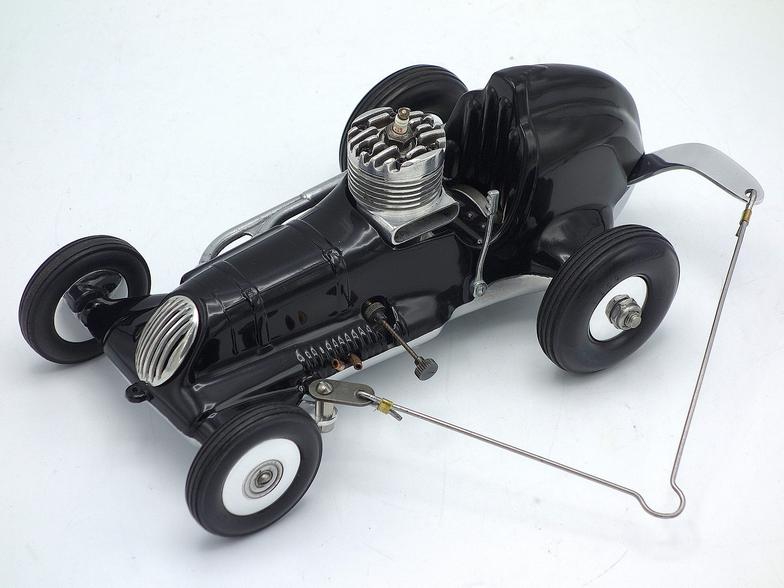
Thimble Drome Champion
Fitted with entire array of parts from Pac-A-Lite, powered by a modified 1948 McCoy 36 Sportsman, Jr. model engine
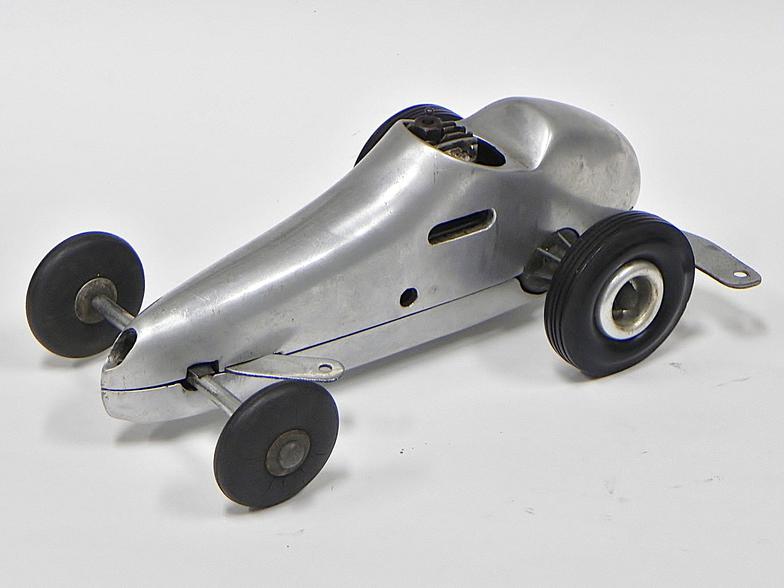
"Trash Bin Special"
McCoy 19 powered mite car of unknown original, found in a trash bin
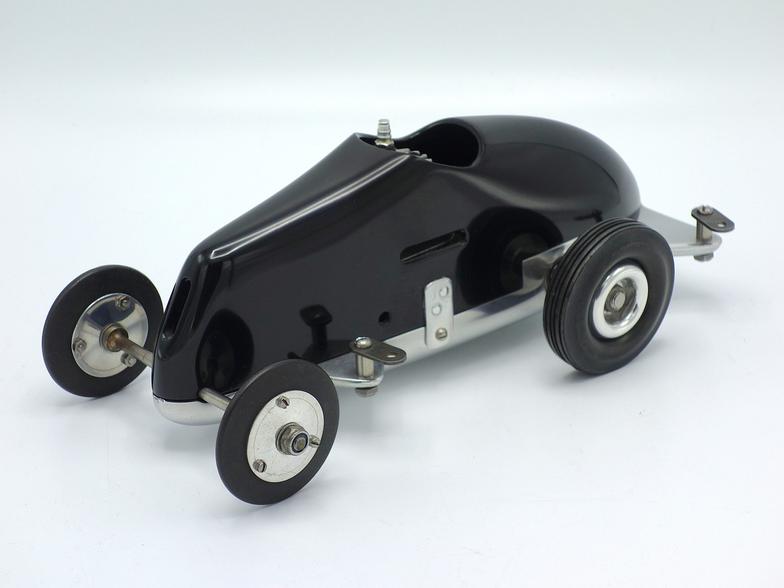
Kansas City Club Car
Designed by the Kansas City mite car club, powered by a McCoy 19 race car engine
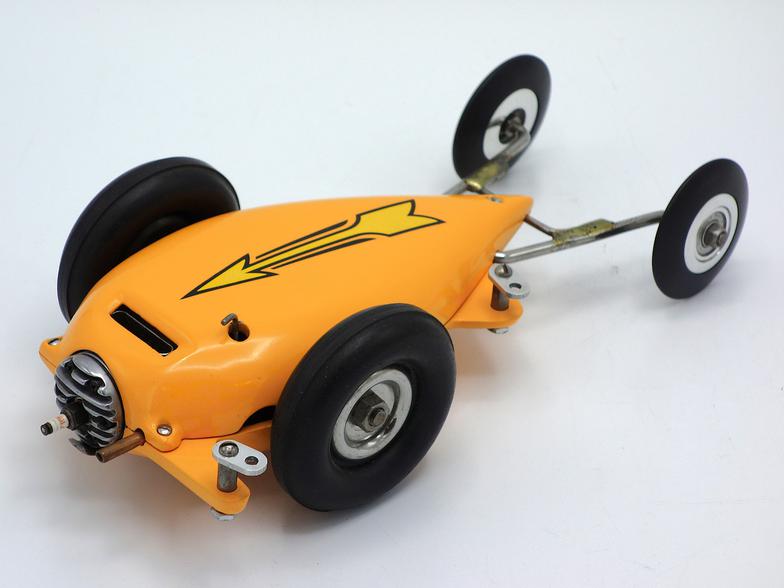
Pop Schreiber Teardrop
Magnesium-bodied teardrop, designed by the Kansas City mite car club, powered by a McCoy 19 race car engine
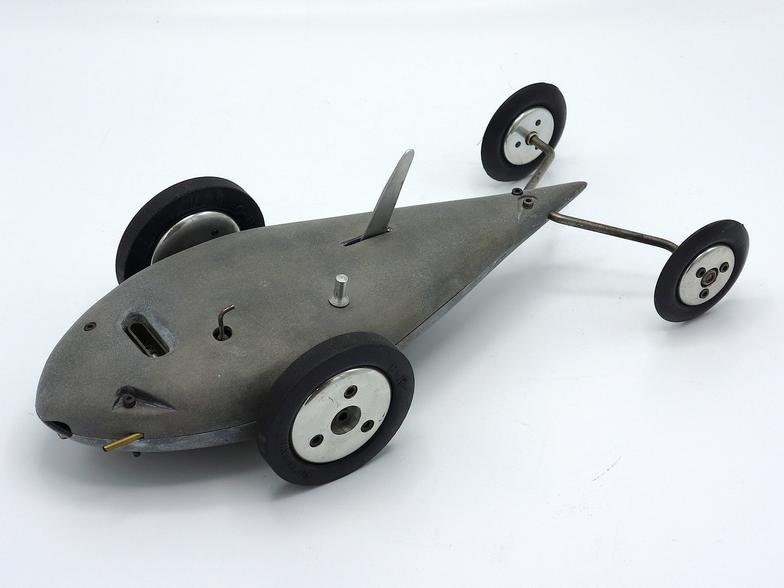
Borden Mite
Magnesium-bodied teardrop, designed and built by Warren Borden, powered by a Dooling 29 model engine
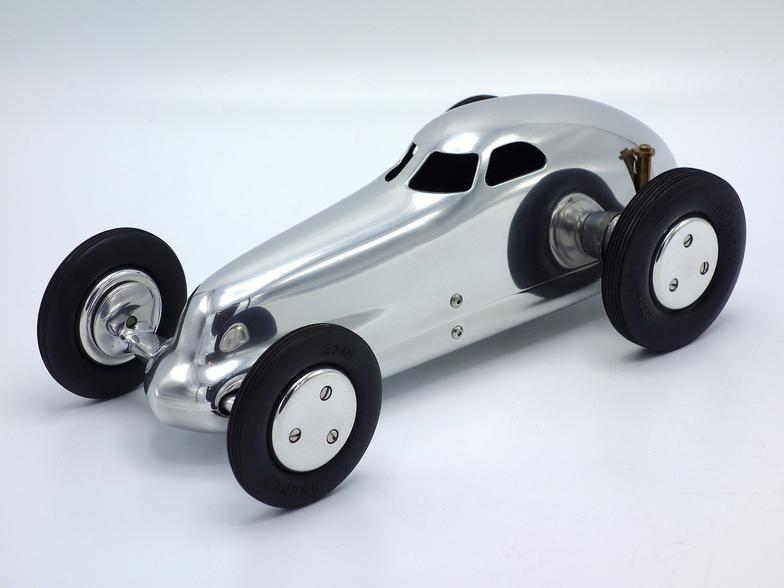
Schenck Streamliner
Designed and custom-built by David Wheeler, powered by a 2.5 cc twin-shaft diesel engine
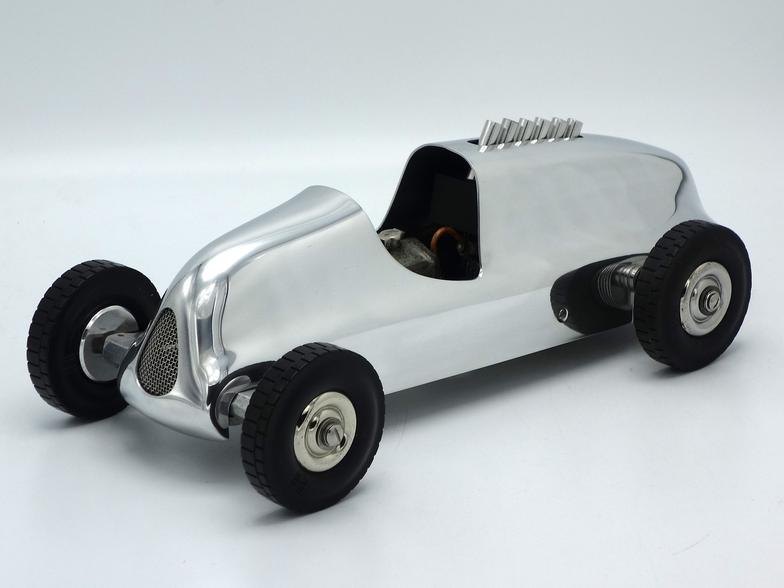
Miller Special
Built from plans published in the December 1951 issue of "Mechanix Illustrated" magazine
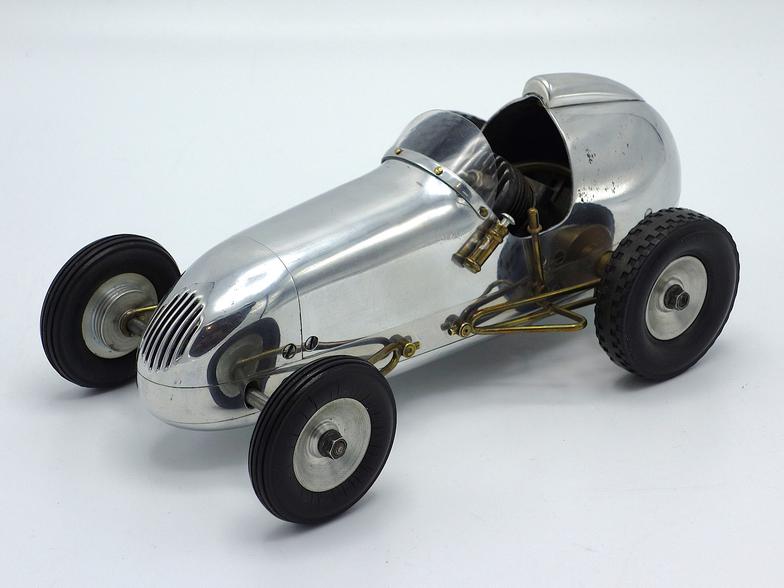
John Coval Midget
Designed and custom-built by John Coval, powered by a
Fuji .099 "Menasco" series model engine
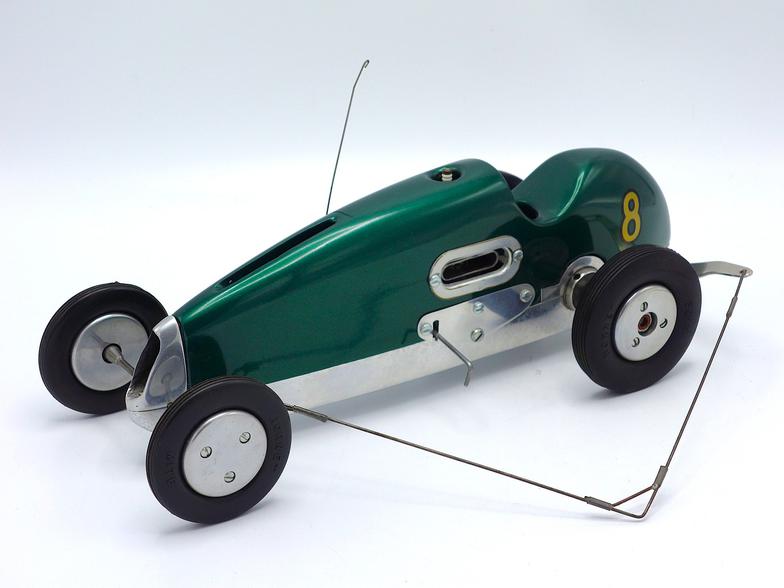
Carlson Mite (early model)
Designed, built and raced by John Carlson, powered by a Hornet .199 model engine
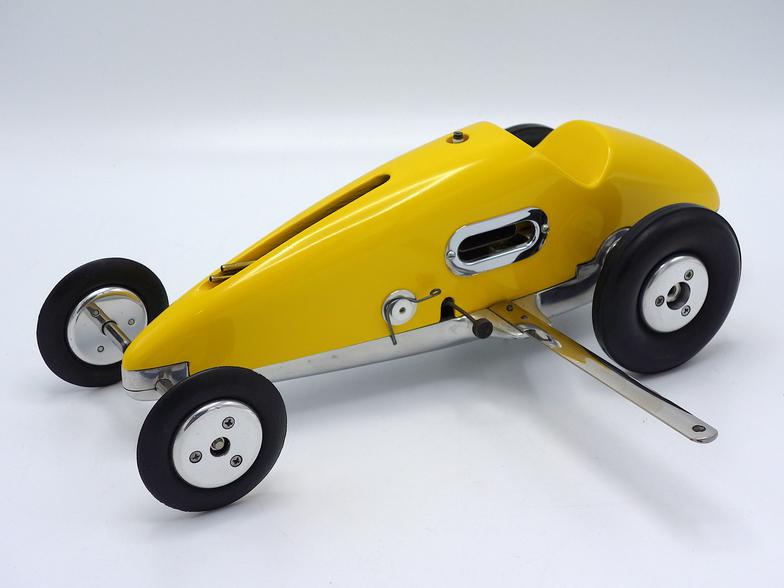
Carlson Mite (later model)
Designed and built by John Carlson, powered by a McCoy 19 model aircraft engine
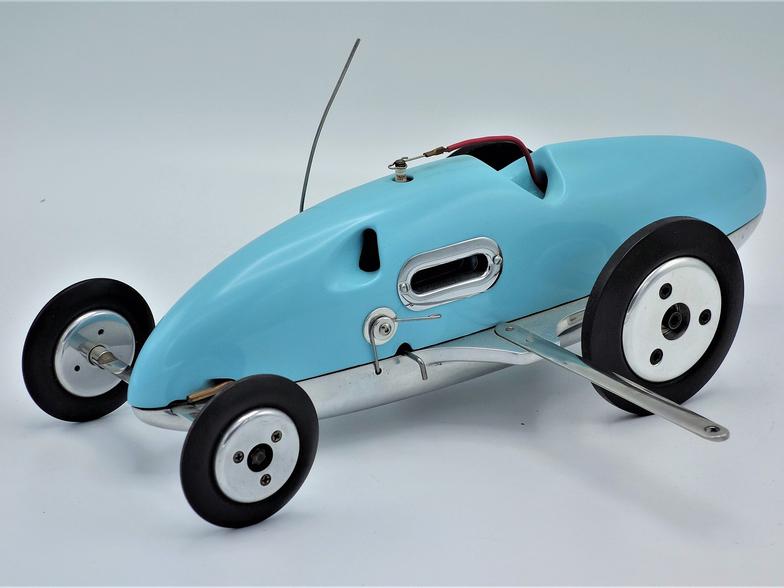
Davis-Carlson Mite
Designed and built by Red Davis and John Carlson,
s/n DC-8, powered by a
Dooling 29 model engine
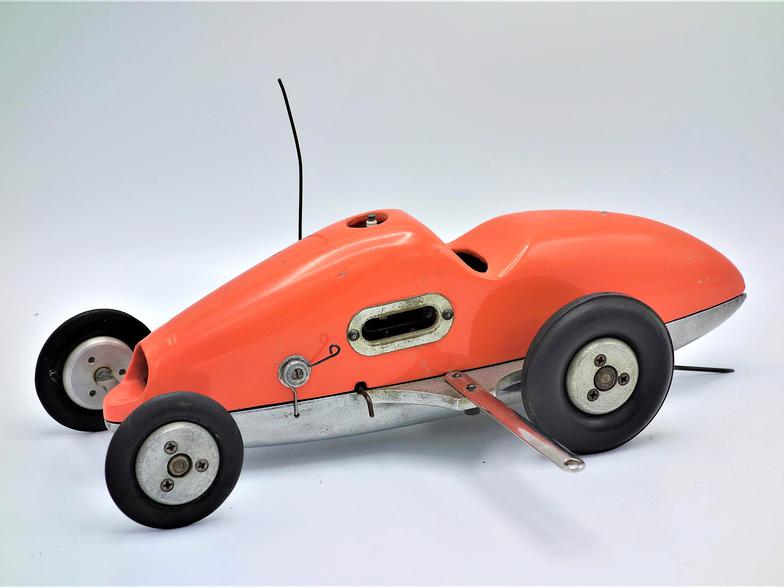
Davis-Carlson Mite
Designed and built by Red Davis and John Carlson,
s/n DC-7, powered by a
Dooling 29 model engine
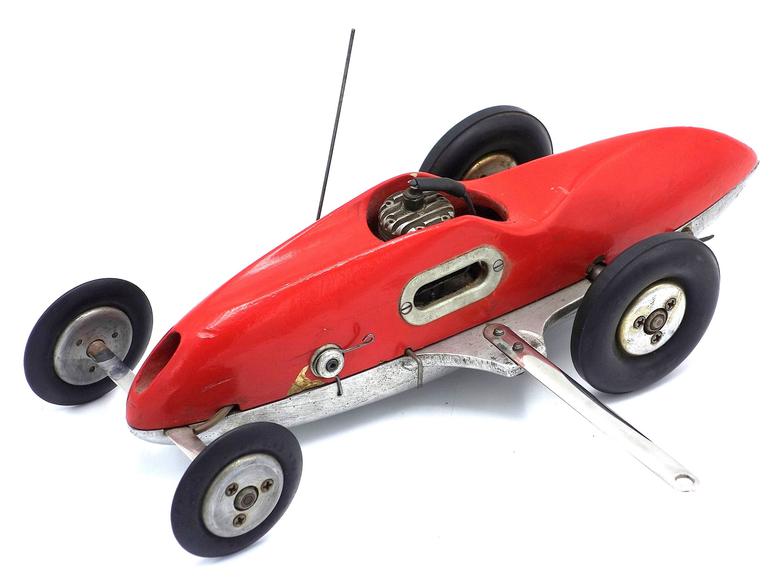
Davis-Carlson Mite
Designed and built by Red Davis and John Carlson,
s/n DC-12, powered by a
Hornet .199 model engine
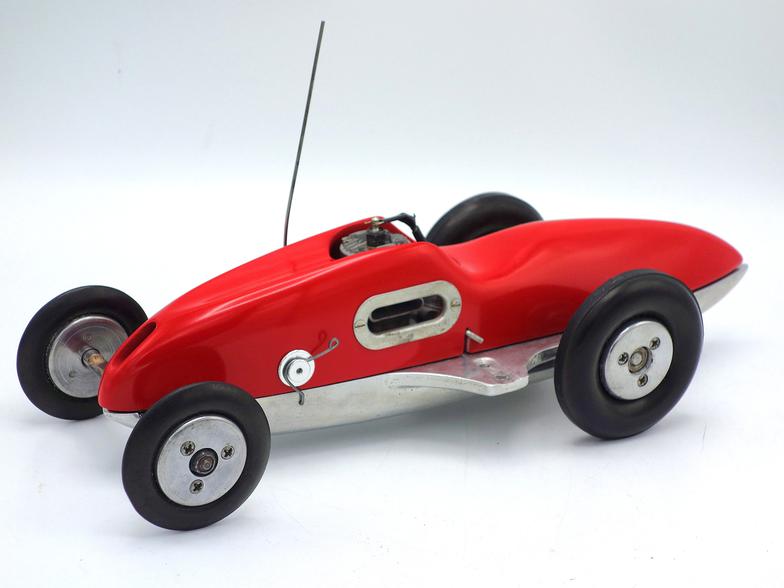
Davis-Carlson Mite
Designed and built by Red Davis and John Carlson,
s/n DC-16, powered by a
Super Tigre .19 model engine
